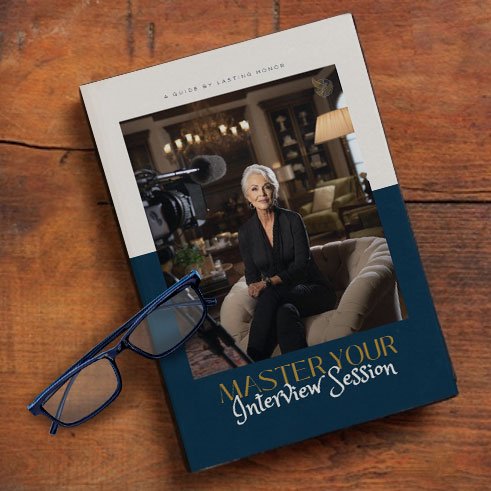

Preserving cherished memories and capturing life stories through video biographies is a powerful way to celebrate the lives of our loved ones and ensure their legacies live on. These heartfelt tributes can bring families together, honor the past, and inspire future generations. To create an engaging and memorable video biography, it’s essential to understand the elements that make a captivating viewing experience. In this blog post, we will share our top 10 tips for creating a video biography that truly stands out.
- Establish a clear focus:
Determine the main theme or message of your video biography. Identify the key events, milestones, and experiences that define your subject’s life story and use them as the foundation for your narrative. Consider exploring themes like legacy, resilience, family, and personal growth. This will help you create a cohesive and engaging biography video or life story video that resonates with viewers.
For inspiration, explore this list of life story interview questions.
- Conduct thorough research:
Gather information through interviews with your subject, family members, friends, and colleagues. Prepare a list of open-ended questions that encourage storytelling and elicit meaningful insights. Collect old photos, videos, and other memorabilia that bring the story to life, and consider visiting significant locations from your subject’s past to add depth and context to your video memoir.
- Develop a compelling narrative:
Organize your content into a coherent and engaging story with a strong beginning, middle, and end. Use storytelling techniques like conflict, resolution, and character development to create a captivating narrative. Experiment with different structures, such as chronological or thematic, to find the most effective way to present your subject’s life story.
- Use high-quality visuals:
Incorporate professional-looking visuals, including well-shot interviews, smooth transitions, and creative shots that bring the story to life. Pay attention to lighting, composition, and camera angles to ensure your video biographies are visually appealing. Experiment with different shooting techniques, such as close-ups, wide shots, and time-lapse sequences, to add variety to your footage.
Check out these tips for improving video production quality.
- Enhance with sound design:
Utilize music, sound effects, and voice-overs to create an immersive audio experience that supports the story and evokes the desired emotions. Choose music that matches the tone of your video and complements your subject’s life story. Be mindful of copyright restrictions and consider using royalty-free music or obtaining the necessary licenses for your chosen tracks to avoid any issues.
- Include interviews and testimonials:
Feature interviews with your subject, as well as insights and anecdotes from friends, family members, and colleagues to provide a well-rounded perspective on the subject’s life. Ensure your interviewees feel comfortable and at ease, and give them enough time to share their stories. Use a mix of formal interviews and casual conversations to capture a range of emotions and experiences.
- Balance personal and professional aspects:
Showcase both the personal and professional sides of the subject’s life, highlighting their successes, challenges, and the lessons they’ve learned along the way. Be sure to include meaningful moments and relationships from both areas of their life, as well as any significant turning points or periods of growth.
- Incorporate archival materials:
Integrating archival materials such as old photographs, home videos, newspaper clippings, and letters can significantly enrich the narrative of your video biography. These elements not only add visual interest and authenticity but also help anchor the story in its historical context. Here are some tips for effectively using archival materials:
Digitize and Enhance: Ensure that all physical materials are carefully digitized to preserve their quality. Use software to enhance images and videos if they are faded or damaged. This can involve adjusting brightness and contrast, removing scratches, or even colorizing black and white photos for a touch of modernity while maintaining their nostalgic value.
Selectively Include: Choose materials that have a direct relevance to the story points you are covering. For instance, include a childhood photo during a discussion of early years, or a clip from a wedding video when talking about significant life milestones.
Create a Timeline: Use these materials to create a visual timeline that helps viewers easily follow the chronological flow of the biography. This can be particularly effective in showing transformations over time, such as changes in a cityscape or a person’s progression through different life stages.
Provide Context: When introducing a particularly old or significant piece of archival material, consider adding a short narration or subtitle that explains its relevance and historical significance. This helps viewers understand why it’s important and how it relates to the overall story.
- Keep it concise and engaging:
Editing is crucial in maintaining the pace and interest in your video biography. A well-edited video can captivate an audience, while a poorly edited one might lose viewer interest quickly. Here are some strategies to keep your video engaging and to the point:
Structure with Purpose: Structure your video in a way that logically progresses from one topic to the next. Avoid jumping randomly between different times or themes, which can confuse viewers. Use transitions to smoothly move from one segment to another.
Pace Appropriately: Keep the pacing tight but natural. Avoid lingering too long on any one shot unless it’s crucial for emotional impact or storytelling. Use a mix of longer, reflective shots and quicker, informative ones to maintain a dynamic rhythm in your video.
Trim Ruthlessly: Cut out any parts that do not add value to the story or are repetitive. Focus on the most compelling aspects of your subject’s life. Each scene should serve a purpose, whether it’s advancing the narrative, deepening understanding of the subject, or evoking an emotional response.
Use Graphics and Text Sparingly: While graphics and text overlays can be useful for conveying key information or adding context, overusing them can detract from the personal, intimate feel of a biography. Use them thoughtfully and only when they enhance the storytelling.
Feedback is Key: Before finalizing your video, show it to people whose opinions you trust—preferably a mix of those who know the subject well and those who don’t. Their insights can help you understand what’s working and what might need a bit more clarification or trimming.
- Promote and share your video biography:
Once complete, share your video biography with friends, family, and colleagues, and consider uploading it to online platforms to reach a broader audience and ensure the story is preserved for future generations.
Creating a captivating video biography takes careful planning, creativity, and attention to detail. By following these tips, you can craft a powerful tribute that celebrates your loved one’s life story, engages viewers, and preserves a lasting legacy for generations to come.